


jljl55 | Exploring the Fascinating World of Simulation Games
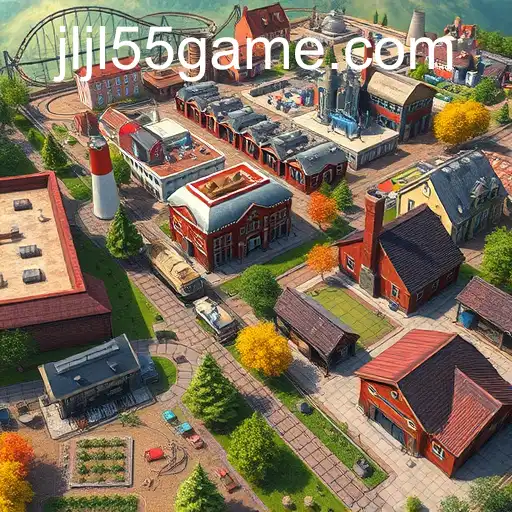
Simulation games represent a unique and diverse world within the gaming universe, capturing the imaginations of players across a broad spectrum of interests. Whether you're looking to pilot an aircraft, manage a bustling metropolis, or run a thriving business, simulation games offer the opportunity to experience these scenarios in a virtual setting. Characterized by realistic scenarios that require strategic thinking and problem-solving skills, simulation games have garnered a vast and dedicated following.
The keyword 'jljl55' might be unfamiliar to some, but within the context of simulation games on platforms that host these experiences, it can serve as a gateway to a plethora of engaging and immersive content. Simulation games transcend traditional gaming by placing players in meticulously crafted environments where decision-making and resource management are key. From the nostalgia of titles like 'The Sims', which allows players to construct and control entire lifetimes, to the intensity of flight simulators such as Microsoft Flight Simulator with its stunningly realistic visuals, simulation games offer an unparalleled richness in gameplay.
Not only are these games entertaining, but they also function as educational tools. For instance, strategy-heavy simulation games like 'SimCity' or 'Cities: Skylines' challenge players to consider the complexities of urban planning, dealing with issues such as traffic congestion, pollution, and budget constraints. These scenarios help players develop critical thinking and planning skills that can be applied beyond the screen.
Moreover, simulation games have expanded their reach into professional training. Flight simulators and medical simulators are utilized for training pilots and surgeons, providing a risk-free environment to hone skills before they are applied in real life. This practical application shows the vital role simulation games play in both education and entertainment.
As the technology that powers these games continues to evolve, the scope and depth of what can be simulated grows ever more impressive. Virtual reality (VR) now enhances the immersive quality of simulation games, offering players an even more interactive experience. With each technological advancement, the boundary between real and virtual continues to blur, promising an exciting future for simulation games.
Ultimately, simulation games offer a powerful form of escapism combined with learning, allowing players to explore endless possibilities. By facilitating experiences that range from everyday activities to outlandish fantasies, simulation games empower players to think creatively, learn new skills, and have fun doing it.
